

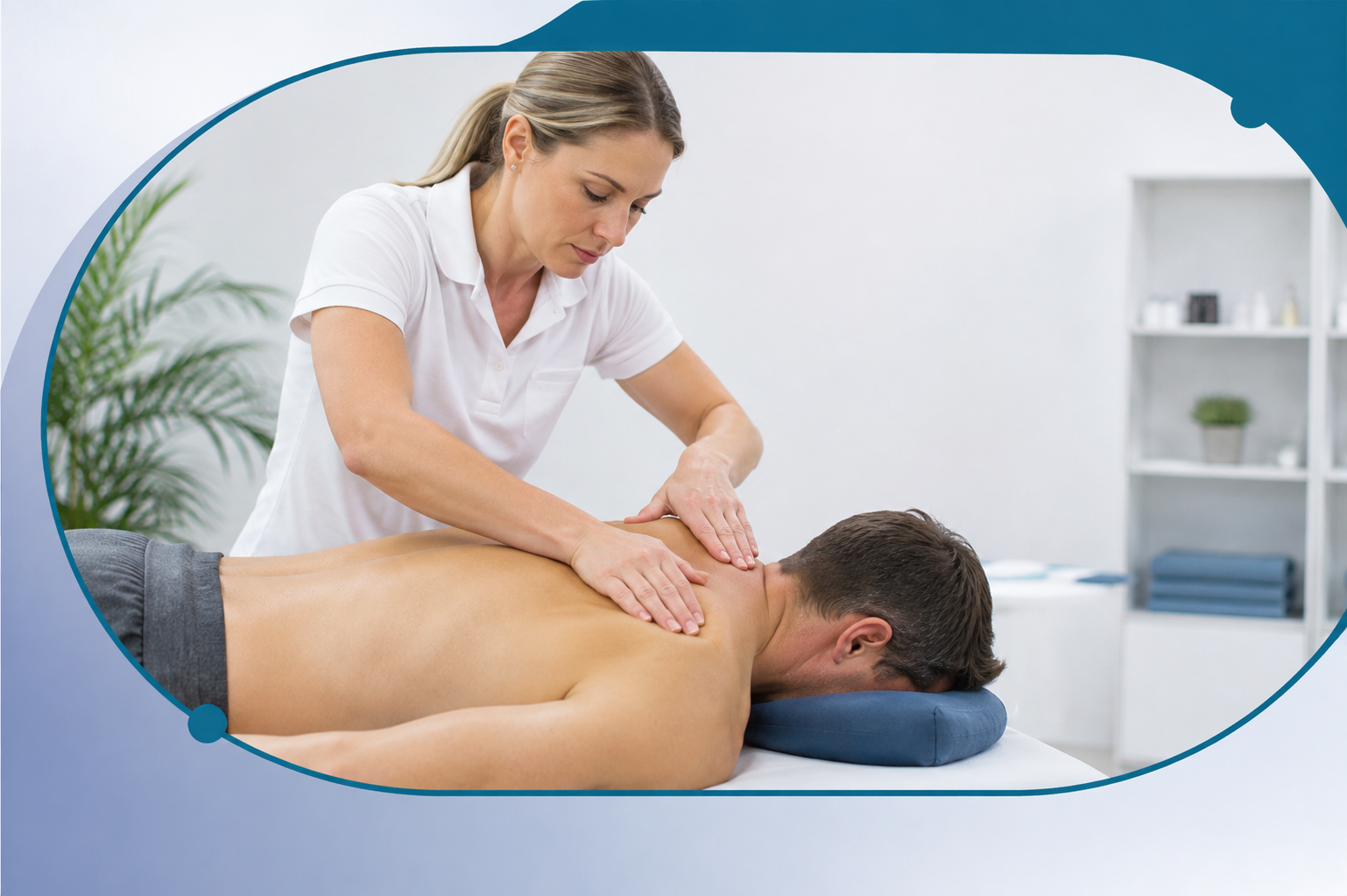
A knot that never seems to loosen, no matter how much stretching or rest goes into it, is often more than ordinary muscle tightness. Sunnybank residents searching for trigger point therapy in Brisbane are frequently dealing with a small, persistently contracted patch of muscle tissue that sends pain signals to areas nowhere near where the problem actually sits. For anyone in Sunnybank Hills or surrounding suburbs dealing with ongoing tension, understanding how this pattern develops and how it is treated can clarify whether the approach suits their particular pain pattern.
Research into myofascial pain syndrome suggests up to 85 per cent of people arriving at pain clinics show evidence of trigger points, most commonly located in the neck, shoulders, and lower back.
Why Trigger Points Cause Pain Elsewhere
A trigger point does not always hurt where it sits. Clinical studies on muscles such as the upper trapezius and levator scapulae show these points commonly refer pain along the neck, into the shoulder blade, or up toward the head, which is why a tight upper back muscle can sometimes present as a tension headache rather than localised back pain. This referred pattern is one reason self diagnosis is often unreliable, since the area that hurts is not always the area that needs treatment.
What Happens During a Session
Treatment generally involves a combination of techniques rather than a single method:
- Sustained manual pressure applied directly to the tender point until the tension eases
- Gentle stretching to restore normal muscle length once the point releases
- Identifying nearby muscles compensating for the affected area
This differs from a standard remedial massage, as the focus remains on specific points rather than on general muscle relaxation over a larger area.
How This Fits into Broader Manual Therapy
Trigger point work sits within a wider category of hands on treatment. Among the manual therapy techniques, physiotherapists commonly draw on are the following:
- Soft tissue mobilisation for tight or overworked muscles
- Joint mobilisation to improve restricted movement
- Myofascial release for connective tissue tension
- Trigger point release for localised, referred pain
Each technique addresses a different layer of musculoskeletal dysfunction, and a thorough assessment usually determines which combination suits the individual rather than applying a single fixed protocol.
Why Patients Across the Brisbane Region Choose This Approach
Among the manual therapy benefits patients in Coopers Plains, Robertson, and MacGregor often report are reduced referred pain, improved range of motion, and a noticeable drop in tension headaches linked to upper back and neck tightness. Many also find relief extends beyond the treated area, since trigger points in one muscle group can affect movement patterns and posture elsewhere in the body over time.
Choosing the Right Therapist
Selecting among the many therapists in the Brisbane area should be based on their experience in musculoskeletal assessment, not just general bodywork. A practitioner trained in physiotherapy can distinguish between a trigger point, a strained muscle, and a structural issue requiring a different treatment plan altogether, which matters for anyone in Eight Mile Plains, Acacia Ridge, Runcorn, or Calamvale searching for lasting relief rather than temporary comfort.
Sunnybank Physio: Local Care Built Around Assessment
Sunnybank Physiotherapy works with patients across Sunnybank, Sunnybank Hills, Coopers Plains, Robertson, MacGregor, Eight Mile Plains, Acacia Ridge, Runcorn, and Calamvale, combining a full musculoskeletal assessment with proven manual therapy techniques rather than treating symptoms in isolation.
Our physiotherapists bring genuine clinical experience to every session, helping patients understand the manual therapy benefits behind each treatment plan before deciding what suits them. Book an appointment with us to find out which approach works best for your specific pain pattern.
