

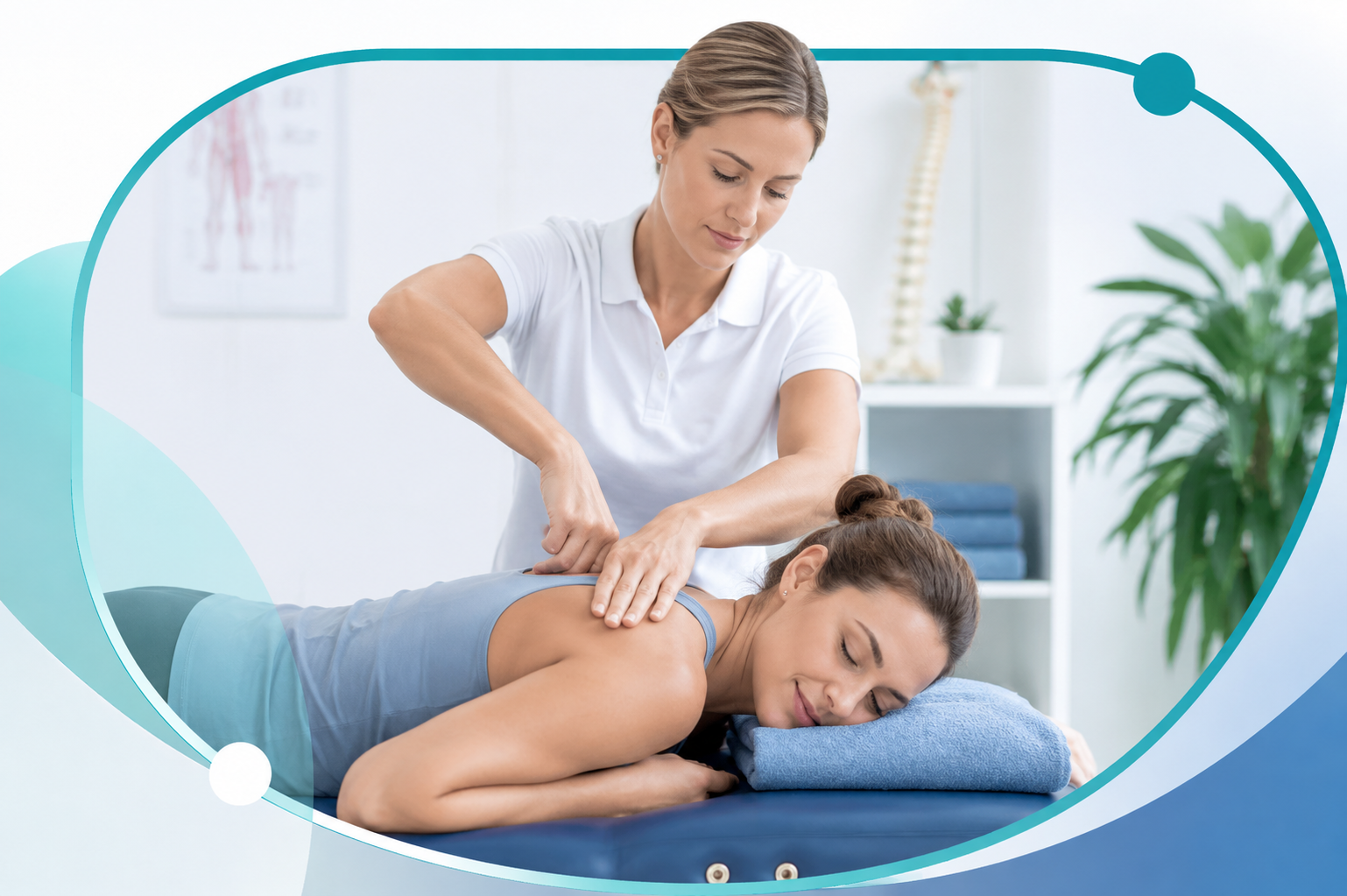
A tight, sore spot in the shoulder or lower back that will not settle down is often the work of a trigger point, a small area of muscle that stays contracted after the activity that caused it. This is exactly why many people turn to trigger point therapy in Brisbane when rest, stretching, or self-care simply aren’t enough. Data from the Australian Institute of Health and Welfare shows one in five Australians aged 45 and over are managing chronic pain, highlighting how common these issues are. Understanding what causes trigger points makes it easier to know when treatment is worth booking.
Why Do Muscles Develop Trigger Points
Muscle fibres can become shortened and tight due to strain, poor posture, or repetitive movements, often leading to discomfort and restricted mobility. Once this happens, the affected area can send pain signals to nearby regions, which is why a tight neck sometimes shows up as a headache. Trigger point therapy applies steady, localised pressure to help these fibres release.
Signs Worth Paying Attention To
A visit for trigger point therapy may be worthwhile if you notice:
• A knot that feels tender when pressed
• Pain that shows up somewhere other than where the tightness sits
• Stiffness that limits how far you can turn or reach
• Discomfort that keeps returning despite stretching regularly
• Muscle tension linked to long hours at a desk or on your feet
Trigger Point Work Versus a Standard Massage
The two approaches overlap in some respects but differ in purpose, as shown below.
| Aspect | Trigger Point Therapy | Standard Massage |
| Aim | Release a specific tight spot | Ease overall muscular fatigue |
| Technique | Firm, sustained pressure on one area | Broader strokes across larger muscle groups |
| Session Length | Often brief and targeted | Usually longer and full body |
| Best For | Localised, recurring pain | General tension and relaxation |
Finding the Right Therapists in Brisbane
Not all muscle tightness stems from the same cause, which is why experienced therapists in Brisbane take a personalised approach to treatment. Rather than applying a one-size-fits-all solution, they carefully assess factors such as posture, daily habits, and injury history before beginning any hands-on therapy. This deeper understanding allows them to target the underlying issue more effectively, leading to more meaningful and lasting results.
How This Fits into a Physiotherapy Treatment Plan
Within a broader physiotherapy treatment, trigger point work is often paired with guided stretching and simple home exercises to prevent tightness from returning. Some patients feel relief after one or two visits, while longstanding tension may need a series of sessions alongside posture changes.
For more than 30 years, Sunnybank Physiotherapy has proudly supported the local community by providing trusted trigger point therapy for Brisbane patients across Runcorn, Calamvale, Sunnybank Hills, Eight Mile Plains, MacGregor, Acacia Ridge, Robertson, Sunnybank, and Coopers Plains. Call us today to find out if this approach could help with your pain.
FAQs
Is trigger point therapy painful?
There can be brief discomfort as pressure is applied, but a qualified therapist will keep this within a manageable range throughout.
How soon will I notice a difference?
Some people feel looser after a single session, though ongoing or long term tightness usually needs several visits to fully settle.
Can this treatment help with tension headaches?
Often yes, since tight muscles in the neck and upper shoulders are a common contributor to recurring headache pain.
