

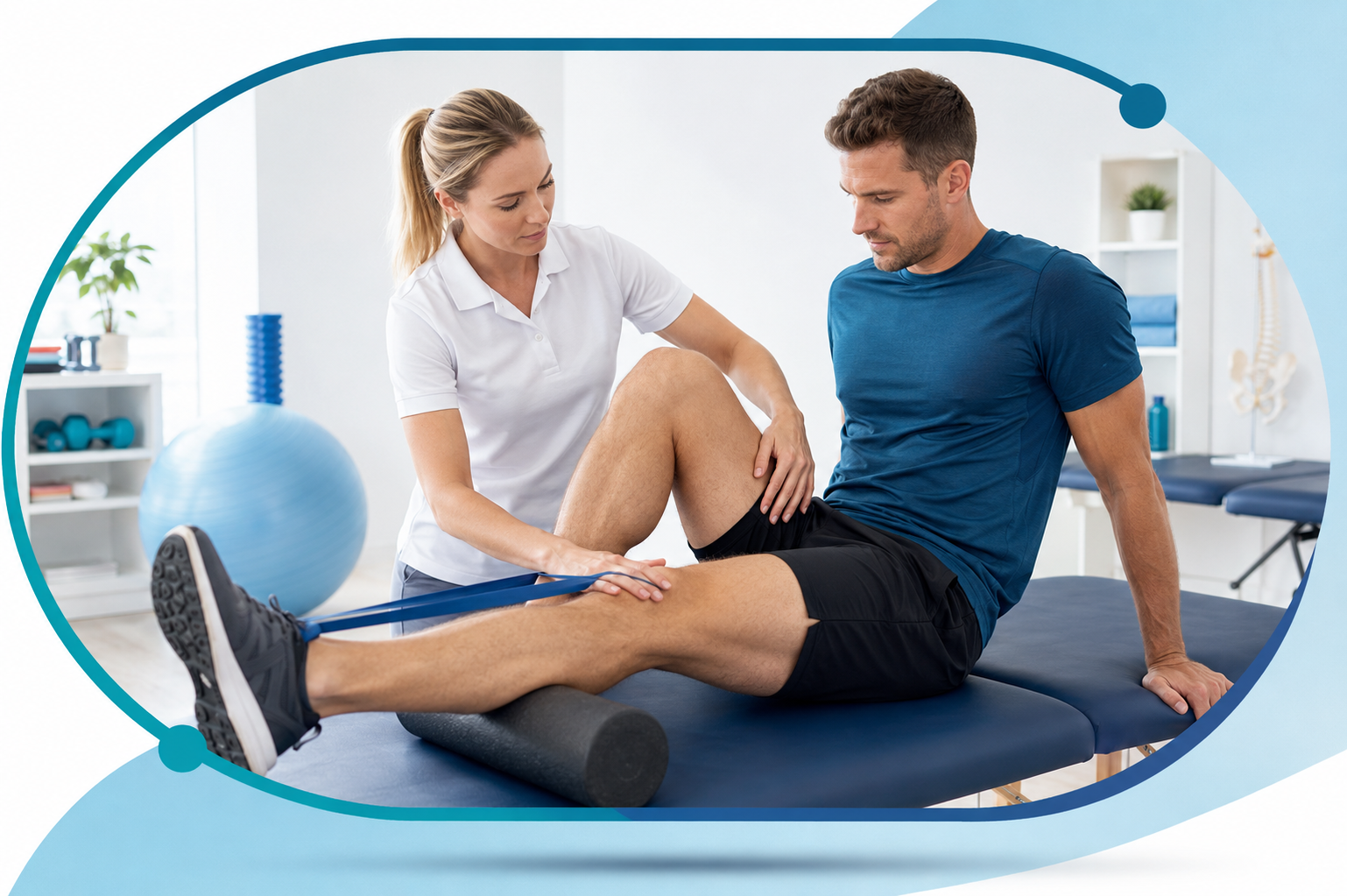
Physical performance relies on a combination of strength, mobility, endurance and recovery. Among the most common sports-related injuries are muscle strains, which can limit movement, reduce performance and increase the risk of ongoing problems if not managed correctly. Understanding the importance of muscle strain rehabilitation and seeking appropriate treatment can help athletes recover comfortably, return to regular activity sooner and minimise the likelihood of future injuries.
The Importance of Early Assessment
Many athletes attempt to “push through” a muscle injury, believing rest alone will solve the problem. Improper management can increase recovery time and create compensatory movement patterns that lead to additional injuries.
The Different Grades of Muscle Strains
Rehabilitation requirements vary depending on the severity of the injury.
Grade 1: Mild Strain
- Minimal number of muscle fibres affected
- Mild discomfort
- Minimal loss of strength
- Recovery is often within a few weeks
Grade 2: Moderate Strain
- Partial muscle tear
- Noticeable pain and swelling
- Reduced muscle strength
- Recovery may take many weeks or even months
Grade 3: Severe Strain
- Complete muscle tear
- Significant pain and dysfunction
- Major loss of strength
- Extended rehabilitation period
Accurate diagnosis is critical to determine the appropriate muscle strain treatment approach.
Common Mistakes Athletes Make During Recovery
Many setbacks occur because athletes rush the rehabilitation process.
- Returning to training too soon
- Ignoring minor symptoms
- Skipping strengthening exercises
- Focusing only on pain reduction
- Neglecting movement quality
- Avoiding professional assessment
A comprehensive muscle strain treatment plan addresses not only the injury itself but also the underlying factors that contributed to the strain.
The Crucial Role of Physiotherapy in Athletic Recovery
Physiotherapy plays an instrumental role throughout the rehabilitation journey. A physiotherapist can identify biomechanical issues, tailor exercise programs, monitor progress, and provide guidance on safe return-to-sport decisions.
For athletes in Sunnybank and the greater Brisbane area, professional physiotherapy support can help accelerate recovery while ensuring long-term athletic health.
Whether the injury involves the hamstring, calf, quadriceps, groin, or another muscle group, individualised care provides the best opportunity for a successful outcome.
Get Sunnybank Physiotherapy’s Muscle Strain Treatment
At Sunnybank Physiotherapy, our experienced physiotherapists offer comprehensive assessments, hands-on therapy, tailored exercise programs, sports injury management, rehabilitation planning and ongoing support designed to help you move with confidence again.
Whether you’re recovering from a recent strain or dealing with recurring muscle issues, our goal is to help you achieve a safe, sustainable recovery through evidence-based muscle strain rehabilitation and targeted treatment strategies.
Conveniently located near Les Atkinson Park, our clinic is easily accessible for residents of Sunnybank Hills, Coopers Plains, Robertson, MacGregor, Sunnybank, Eight-Mile Plains, Acacia Ridge, Runcorn and Calamvale. We are proud to support the local community with personalised physiotherapy services that focus on restoring movement, reducing pain and helping you return to the activities you enjoy most.
If you’re ready to take the next step towards recovery, improved performance and better movement, contact our team today to book an appointment or choose Sunnybank Physiotherapy for expert physiotherapy care tailored to your needs.